Student
$49Work through the engineering modules, scale-down simulator and Student assessment.
Buy StudentA 2 L result is one reference point. Work out what a larger vessel changes, choose what to hold constant and use a scale-down model to challenge the decision.
Student is for MSc and PhD students and new process engineers. Professional adds transfer decisions for upstream scientists and process engineers working across scales.
Choose and defend a similarity criterion, estimate oxygen and cooling margins, identify a relevant gradient and qualify a small-scale model for a defined purpose.
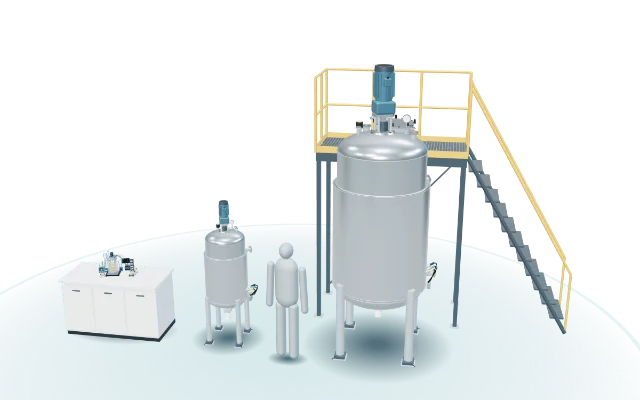
Watch a benchtop tank grow. Decide when a local oxygen inventory can be consumed before the liquid is mixed.
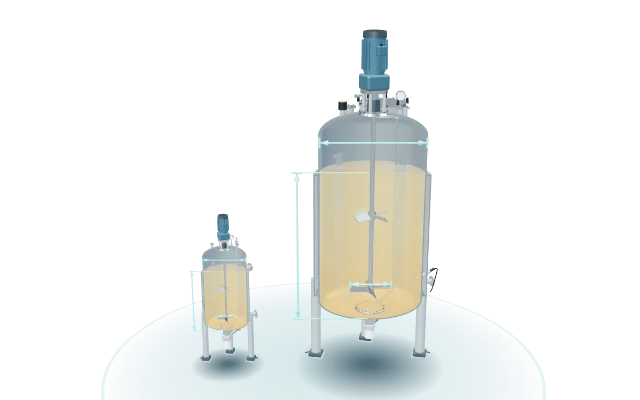
Choose what to keep constant and see what that choice costs in pumping, mixing, power and tip speed.
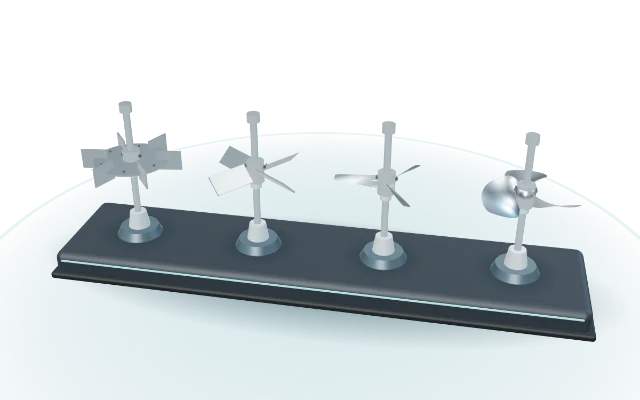
Read a power curve, compare impeller flow patterns and interpret mixing times in their experimental context.
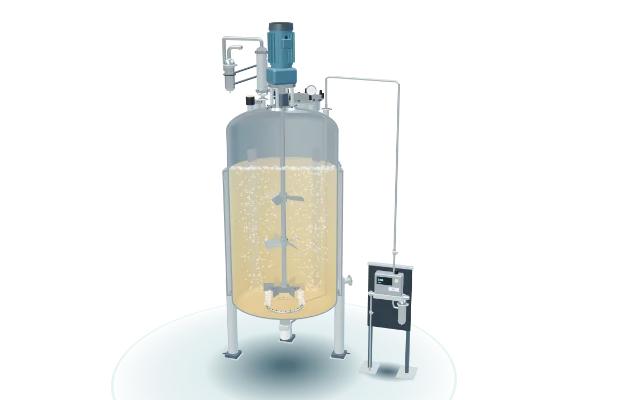
Use gas and liquid measurements to see which constraint stops an aeration design from meeting demand.
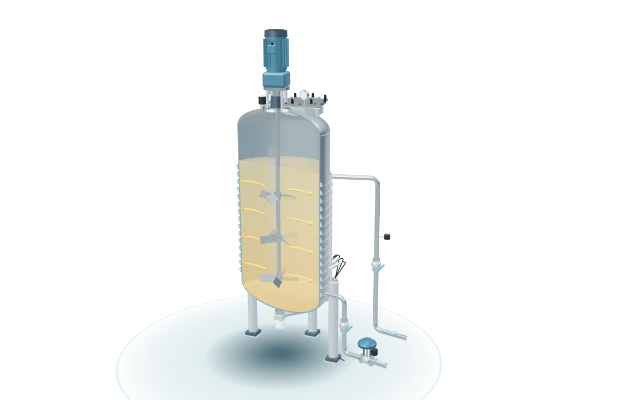
Locate the cooling limit and compare turbulent length scales with a cell, a carrier and the gas–liquid interface.
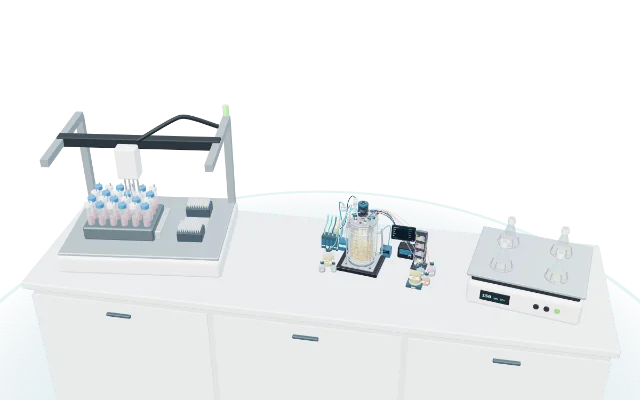
Choose a small system that reproduces the exposure relevant to a manufacturing decision, then test the response.
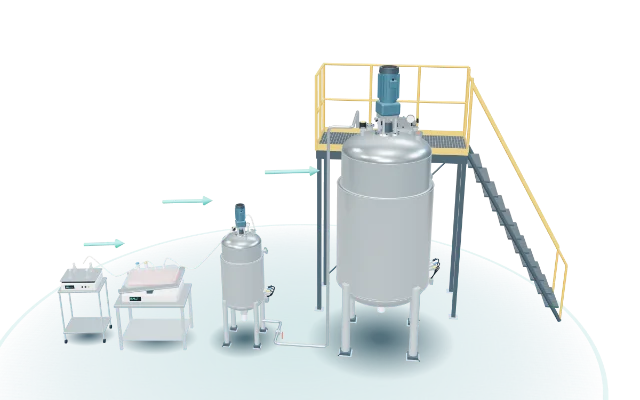
Review a proposed transfer, challenge the evidence for comparability and decide which risks need further work.
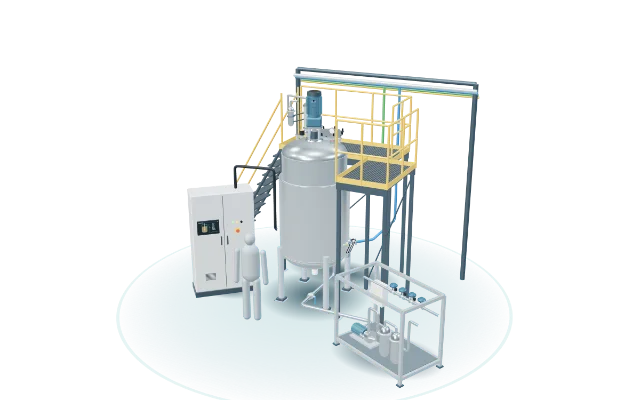
Read charts, solve transfer calculations and decide which evidence supports a scale-up decision.
Work through the engineering modules, scale-down simulator and Student assessment.
Buy StudentIncludes Student, the Professional extensions, the transfer review board and the Professional assessment.
Buy ProfessionalFor existing Student learners who want the Professional sections and certificate assessment.
Upgrade to ProfessionalAlready bought it? Open any paid module and enter your licence key.
Use the one-minute decisions to check your starting point. Return here for due cards from modules you have studied.
The first module includes the scale explorer, dye-pulse comparison, worked geometry example and flashcards.
Published case comparisons identify their sources. Worked examples state the inputs used. Simulators identify their illustrative equipment assumptions.
For a Student certificate, pass one scored section check in each of Modules 1–6 and score at least 11/15 on the Student assessment. For a Professional certificate, also pass one scored check in Module 7 and score at least 7/10 on the Professional assessment. You enter your name and print locally.
Your browser saves section visits, checks, confidence and review dates when local storage is available. Return on the same browser and device to resume.